
"coffee farming in Central America"
900 article(s) found

Characteristics of Central American producing areas | famous boutique coffee producing area of Tarazu Coffee, Costa Rica
Professional coffee knowledge exchange more coffee bean information please follow the coffee workshop (Wechat official account cafe_style) front street-Costa Rica Tarazu introduction Costa Rica is located in the low latitudes of Central America, the central plateau and mountains about 800 to 2000 meters above sea level. The climate here has two obvious dry and wet seasons. The harvest period is from November to March of the following year, which coincides with the dry season.
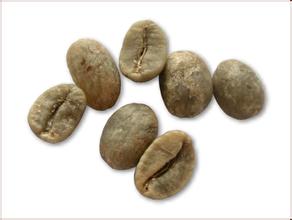
Coffee beans treated with Misael Sauceda honey from Nicaragua Tianyi Manor in Nicaragua, America
The planting conditions in Nicaragua are not inferior to those in Central American countries. Shaded coffee is grown at high altitudes. It tastes round and balanced with less sharp acid. The main unknown factor is war and hurricanes, which make a single farm unsustainable. There is no historical data for raw bean merchants to track and check farm data until after 2003, the bad factors of coffee quality are removed and backward intercourse.

Introduction of Coffee Flavor and Taste varieties in Manor Ireta, Panama
Panama is located in the isthmus of Panama in Central America, bordered by Colombia to the east, the Pacific Ocean to the south, the map of Panama to Costa Rica to the west and the Caribbean Sea to the north. The territory is S-shaped to connect North and South America, and the Panama Canal connects the Atlantic and Pacific oceans from north to south. It is known as the bridge of the world. [5] Panama has a land area of 75517 square kilometers.

Clean and fragrant Illetta Estate Fine Coffee Bean Variety Planting Market Price Introduction
Geisha, with the power of a hurricane to sweep the coffee world, this coffee revolution is fierce, so that the coffee kingdom has long occupied the throne of one king and one queen Jamaica Blue Mountain, Hawaii Kona also have to retreat, this wild variety originally from Ethiopia, after experiencing countless battles, has now spread to all major coffee producing areas, and its best spokesman is from Panama "L

Brief introduction of coffee producing countries: El Salvador Cafe de El Salvador
Country profile Republic of El Salvador, Repblica de El Salvador in Spanish, the Republic of El Salvador in English. It is located in Central America, bordering Guatemala and Honduras in the north, and the Pacific coastline in the west and south. It is the smallest country in Central America and the most densely populated country in Central America. The land area is 21393.
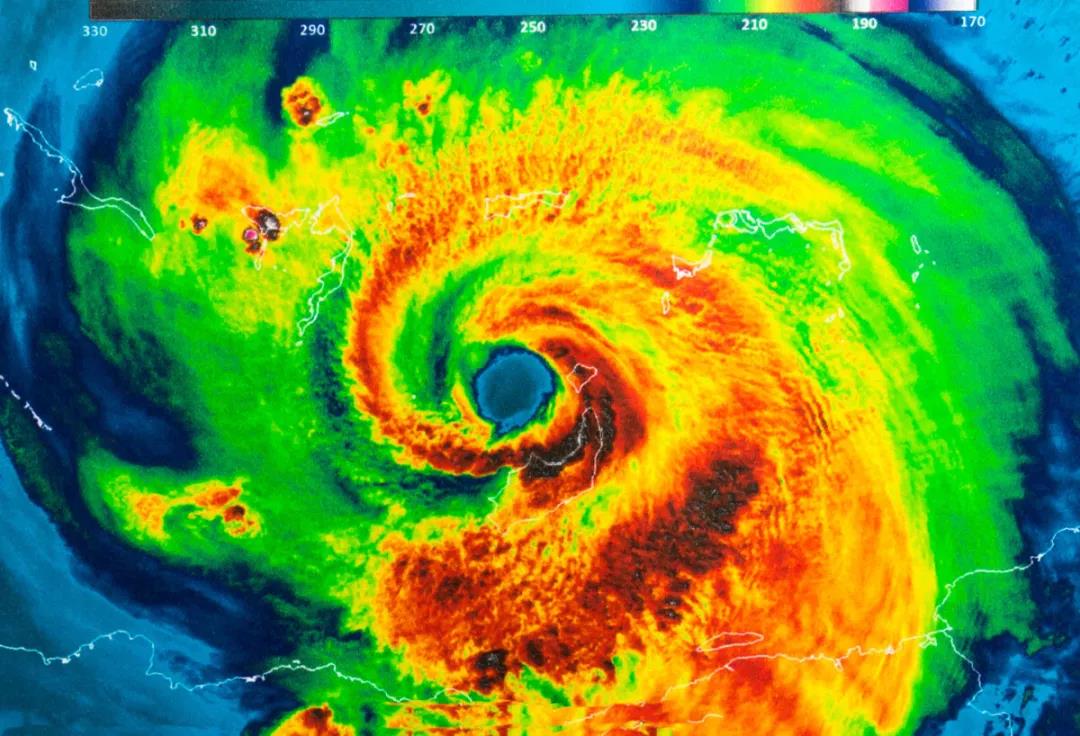
The hurricane hit the Central American producing area and reduced the production of coffee beans in many countries in Central America to varying degrees.
Professional coffee knowledge exchange more coffee bean information please follow the coffee workshop (Wechat official account cafe_style) on November 3, 2020, Category 4 Hurricane ETA (later downgraded to a tropical storm) made landfall in Central America. The hurricane caused varying degrees of losses in Nicaragua, Guatemala, Honduras, El Salvador and Panama, as well as Costa Rica, Mexico and Jamaica.

Platinum Coffee Manor introduces the characteristics of Salvadoran coffee the taste of El Salvador coffee beans
Professional coffee knowledge exchange more coffee bean information please follow the coffee workshop (Wechat official account cafe_style) the Republic of El Salvador is located in the north of Central America, is the most populous country in Central America. The country is bordered by Honduras to the north, the Pacific Ocean to the south and Guatemala to the northwest. The national economy is dominated by agriculture, and the main crops are coffee and cotton. El Salvador is still ancient.

Introduction to the Flavor and Taste of Coffee in Louise Manor of Kaiser, Panama
Panama is located in the isthmus of Panama in Central America, bordered by Colombia to the east, the Pacific Ocean to the south, the map of Panama to Costa Rica to the west and the Caribbean Sea to the north. The territory is S-shaped to connect North and South America, and the Panama Canal connects the Atlantic and Pacific oceans from north to south. It is known as the bridge of the world. [5] Panama has a land area of 75517 square kilometers.

A brief introduction to the treatment method of Grinding degree and Baking degree of Fine Coffee beans in Ireta Manor
Cup test results: Apple, Potato, Maple syrup, Lemon Citrus, Coffee blossom, Roasted hazelnuts, Dark chocolate Fragrance (dry fragrance): jasmine, citrus, tea, honey Aroma (wet fragrance): berries, flowers, oil, vanilla, citrus Flavor (sipping): fruit juice sweet, sour, non-irritating, clean, Buddha

A brief introduction to the description of the flavor and aroma characteristics of boutique coffee beans in Ireta Manor.
Planting altitude: 1400-1700m annual rainfall: 3200 mm average temperature: about 14-25 ℃ soil types: volcanic soil classification standard: SHB treatment method: water washing method: manual harvest related certification: Nash A raw bean specification: 18 mesh harvest year: 2015 cup test results: Apple, Potato, Maple syrup, Lemon Citrus, Coffee blossom, Roaste

Flavor description of El Salvador Honey treated Coffee introduction to HIU Cajamarca Farm
For the exchange of professional baristas, please pay attention to the coffee workshop (Wechat official account cafe_style) El Salvador honey processing HIU Cahamaka (Cajamarca) farm El Salvador is the smallest and most densely populated country in Central America, with rich natural ecology and species diversity, and coffee beans have a long history. Coffee was grown as early as 1740 as staple crops in most areas.

Cultivation of boutique coffee beans in Manor Ireta, Panama A brief introduction to the geographical location, climate and altitude
Flavor (sipping): sweet, sour, non-irritating, clean juice, bergamot, honey, citrus, spices, flowers, berries, tea, cherries, delicate finish, long-lasting aroma, classic jadeite manor Geisha flavor Geisha species was discovered from the rose summer forest in Ethiopia in 1931 and then sent to the coffee research institute in Kenya; introduced in 1936

Introduction to the characteristics of Panamanian Coffee Flavor Manor
Panama is located in the isthmus of Panama in Central America, bordered by Colombia to the east, the Pacific Ocean to the south, the map of Panama to Costa Rica to the west and the Caribbean Sea to the north. The territory is S-shaped to connect North and South America, and the Panama Canal connects the Atlantic and Pacific oceans from north to south. It is known as the bridge of the world. [5] Panama has a land area of 75517 square kilometers.

Characteristics of Panamanian Cupid Coffee Variety producing area introduction of boutique coffee bean manor
Panama is located in the isthmus of Panama in Central America, bordered by Colombia to the east, the Pacific Ocean to the south, the map of Panama to Costa Rica to the west and the Caribbean Sea to the north. The territory is S-shaped to connect North and South America, and the Panama Canal connects the Atlantic and Pacific oceans from north to south. It is known as the bridge of the world. [5] Panama has a land area of 75517 square kilometers.

A brief introduction to the Flavor and Taste of Fine Coffee in the chaotic Climate of Manor Ireta in Panama
Panama is by far the narrowest country that shares the Atlantic and Pacific coastlines. And this has a far-reaching impact on coffee production. Central America is a long isthmus from northern Mexico to southern Colombia, connecting North and South America. Panama is located in the southernmost part of Central America, so the country runs from east to west, not from north to south as people think. this

A brief introduction to the description of the flavor, taste and aroma characteristics of coffee beans in the clean and fragrant Yilita Manor.
Cup test results: Apple, Potato, Maple syrup, Lemon Citrus, Coffee blossom, Roasted hazelnuts, Dark chocolate Fragrance (dry fragrance): jasmine, citrus, tea, honey Aroma (wet fragrance): berries, flowers, oil, vanilla, citrus Flavor (sipping): fruit juice sweet, sour, non-irritating, clean, Buddha

A brief introduction to the treatment method of grinding degree and baking degree of boutique coffee beans in Ireta Manor, Panama
Planting altitude: 1400-1700m Annual rainfall: 3200 mm average temperature: about 14-25 ℃ soil species: volcanic soil Classification Standard: SHB treatment: washing harvesting method: manual harvesting related Certification: Nash A Bean Specification: 18 mesh Harvest year: 2015 Rose Summer (Geisha) species were discovered from the rose forests of Ethiopia in 1931 and sent to Kenya

COE Award winning Manor Notre Dame Manor of Nicaragua introduces the characteristics of Nicaraguan Pacamara Coffee
Professional coffee knowledge exchange more coffee bean information please pay attention to the coffee workshop (Wechat official account cafe_style) the growing conditions in Nicaragua are not inferior to those in Central American countries, grown in shaded coffee at high elevations, round and balanced with less sharp acidity, the main unknown factors are war and hurricanes, resulting in the unsustainable operation of a single farm and no historical data.

Clean Panamanian coffee beans Flavor Manor Features Baru Volcano
Panama is located in Central America on the Isthmus of Panama, east of Colombia, south of the Pacific Ocean, Panama map of Panama west of Costa Rica, north of the Caribbean Sea. The territory is S-shaped connecting North America and South America, and the Panama Canal connects the Atlantic Ocean and the Pacific Ocean from north to south, known as the world bridge. [5]Panama has an area of 75517 square kilometers and a length of

Costa Rica Tarajupena Pena Farm Yellow Honey Processed Coffee Flavor Taste Introduction
Coffee has taken root in Costa Rica for more than 200 years. Although the land area is only ranked third from the bottom among the producing countries in Central America, it is an indispensable important role. At present, the total population of Costa Rica is about 4.5 million, while the coffee tree is as many as 400 million.